

What's In Our Wipes? Ingredient Breakdown
What's In Our Wipes? Ingredient Breakdown
Baby wipes are an essential component of diaper changes. Not only do they do an excellent job at removing urine and fecal matter from baby’s many adorable folds and creases, but they can also help to reduce the chance of diaper rash. However, some wipes do a better job than others at providing these benefits, as their ingredients play a big part in how effective and soothing they are. And sadly, some wipes contain ingredients that might actually cause more harm than good, like baby wipe allergies, to keep manufacturing costs down.
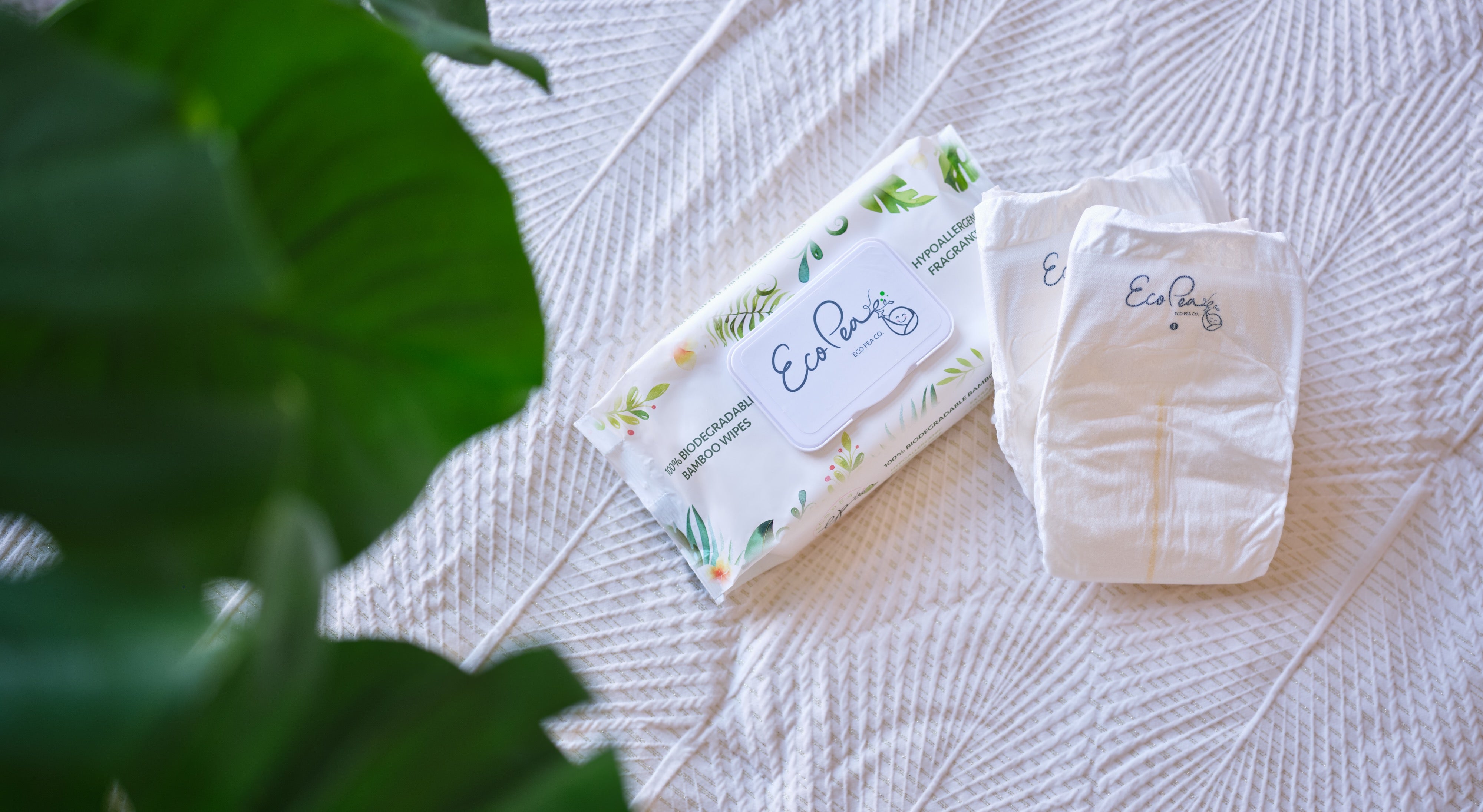
So in the name of full transparency, we want to not only share the ingredients used in our Eco Pea Co. baby wipes, but break them down so you know WHY we use these ingredients. It is our top priority to provide safe, skin-soothing wipes that work, and the ingredients we’ve carefully selected help us meet this standard. You can even use our baby wipes on the face!
Following are the ingredients you’ll find in a pack of Eco Pea Co. baby wipes, and why they’re in there:
Water (aqua). Water is a crucial ingredient in baby wipes as it’s a carrier and diluent for the other ingredients. Eco Pea utilizes extensive filtration to make sure only high-quality water is in our wipes.
Polyhexamethylene Biguanide HCL. Used to prevent the growth of harmful bacteria and mold and keep product safe to use and smelling fresh. It is important to note that our baby wipes are not antibacterial.
Sodium Benzoate. A preservative that prevents the deterioration of our wipes, sodium benzoate is an odorless, crystalline powder made by combining benzoic acid and sodium hydroxide. Sodium benzoate is often used in place of potentially harmful ingredients like phenoxyethanol, benzyl alcohol, and parabens.
Decyl Glucoside. A mild cleaning agent which helps clean skin.
Ethylhexylglycerin. A skin conditioning agent known to improve skin appearance and deodorize. Derived from vegetable glycerin.
Hydroxyacetophenone. A skin conditioning agent known for it's antioxident and skin soothing properties.
Gluconolactone. This very gentle preservative has antimicrobial and antiseptic properties, working wonders at inhibiting the growth of bacteria on our wipes. It’s also been found to hydrate the skin, is ideal for sensitive skin, and has antioxidant properties, meaning it can neutralize free radicals which can be harmful.
Citric Acid. A mild, organic acid, citrus acid is effective at regulating the pH in our wipes, which supports healthy infant skin by helping to maintain its natural pH balance. Essentially, it helps to reduce the occurrence of diaper rash.
Aloe Barbadensis Leaf Extract. The botanical name for aloe vera, aloe barbadensis, is a powerful, natural skin-conditioning agent that has been used medicinally for centuries, as it has wound-healing properties. It’s especially beneficial as a baby wipe ingredient because it has a moisturizing and anti-inflammatory effect, and leaves behind a protective layer on the skin after drying. This protective layer can be supportive in the prevention and/or healing of a diaper rash.
Chamomile Recutita Extract. Commonly known as Chamomile flower, which is known to sooth skin and contribute to lessoning redness.
Cucumis Sativus (Cucumber) Fruit Extract. Commonly known as Cucumber, which is known to be hydrating to skin.
Silicone Antifoam Emulsion. A blend of water, PPG-34 and Dimethicone Silylate prevent foaming in solution, reducing the risk of pack leakage and product spoiling.
As baby wipes are used on your baby’s skin multiple times a day, it’s wise to be informed about the ingredients used in your chosen brand, and understand why they’re used. We hope this breakdown of our ingredients has set you on the path to selecting wipes that will enhance diaper changes, and support the health of your baby’s precious skin.

Written by Adrian Pereira


